
"exports earned foreign exchange"
700 article(s) found

Ethiopian Banci Maggie Coffee Flavor Description Grindness Taste Characteristics Variety
1. Limu coffee grows between 1400 meters and 2000 meters above sea level. washed coffee. Excellent quality, with intense nutty aromas, moderate acidity and wine intensity. Annual production of 29,000 tons. Gima coffee grows between 1400 and 1800 meters above sea level. Sunburn coffee. Slightly sour, nutty and long finish. Annual production of 70,000 tons. 3. Gambi Coffee

A brief introduction to the boutique coffee manor; a detailed introduction of coffee beans in Ethiopia (mocha)
The characteristics of Ethiopian coffee: the geographical environment of Ethiopia is very suitable for coffee growth. Mocha coffee is mainly grown in the southern highlands between 1100 and 2300 meters above sea level. The main coffee producing areas are Harald (Harar), Limu (Limu), Djimma (Djimma), Sidamo (Sidamo), Kaffa (Kafa), Yergacheffe (Yega Snow) and Wolai.

A brief introduction to the flavor, taste and aroma characteristics of coffee beans in Harald Moka Manor in Ethiopia
The geographical environment of Ethiopia is very suitable for coffee growth. Mocha coffee is mainly grown in the southern highlands between 1100 and 2300 meters above sea level. The main coffee producing areas are Harar, Limu, Djimma, Sidamo, Kaffa, Yergacheffe and Wellega. These lands

Introduction to the characteristics of Burundian Coffee varieties treated by texture Grinding Calibration method in Burundian Coffee producing area
The New York Exchange, together with the Burundian government and coffee producers and exporters, made a decision on 17 February 2005 to lower the pricing index of Burundian coffee listed on the Exchange by 200 points, or 2 cents per pound (equal to 50 Burundian francs per kilogram). Later, it was handed in in New York.

Ethiopian coffee with mild acidity Origin Flavor Description Treatment Quality Characteristics Type Introduction
Ethiopia's coffee grading and quality control system mainly includes two indicators: visual inspection and cup evaluation. The inspection items include color, cleanliness, origin, taste and characteristics of coffee beans. Export classification is indicated by simple numbers, with the best washed coffee being grade 5 and the best sun-cured coffee being grade 4. After classification, the origin can be exported. Usually exports by letter of credit

Ethiopian coffee bean flavor
Following caf é (Wechat official account vdailycom) found that Beautiful Caf é opened a small shop of its own Ethiopia is the hometown of Arabica coffee, it is in the forests of the Kaffa region that you can see wild Arabica coffee. In Ethiopian, coffee is called Bun or Buna, and coffee beans (coffeebean) may be turned from Kaffa Bun

Introduction to the planting situation and flavor and taste characteristics of estates in Ethiopian coffee producing areas
Ethiopia is one of the major producers of Arabica coffee in Africa, producing the best Arabian coffee in the world. It is said that coffee was first discovered by shepherds in Essekafa, and the name of coffee evolved from Kafa, so Essex is still the hometown of coffee. The geographical environment of coffee production and processing is very suitable for coffee growth. Coffee is mainly cultivated.

Description of Price and Flavor of Ethiopian Shaquiso Coffee
Ethiopia Xia Chiso Coffee Price Flavor description taste Manor growing in Western Ethiopia 4900-5900 feet above sea level (Wollega province) plateau, north of Jima, mostly wild, annual output of about 500000bags/60kg, export to G5/G4, bean body is larger and longer than Longberry, a little brown in green, taste similar to less jasmine tea, more bitter, lack of top

A brief introduction to the Market Price of Fine Coffee Bean varieties in Ethiopia (Ethiopia) Coffee Manor
The world-famous Ethiopian coffee is mainly: 1. Limu coffee grows between 1400 meters and 2000 meters above sea level. Wash the coffee. Excellent quality, with strong nut aromas, suitable acidity, with the intensity of wine. The annual output is 29000 tons. 2. Jima Coffee grows between 1400 and 1800 meters above sea level. Sun-baked coffee. Slightly sour, with nutty aromas and a long finish.

Taste characteristics of Ethiopian Coffee Flavor description treatment
Ethiopia's geographical environment is very suitable for coffee growth. Coffee is mainly grown in the southern highlands between 1100 and 2300 meters above sea level. The main coffee producing areas are Harar, Limu, Djimma, Sidamo, Kaffa, Yergacheffe and Wellega. The soil drainage in these areas is good.

A brief introduction to the flavor, taste and aroma characteristics of Yega snow coffee coffee beans in Ethiopia
Ethiopia (Ethiopia) is one of the major producers of Arab coffee beans in Africa, producing the best Arab mocha beans in the world. It is said that coffee beans were first discovered by shepherds in the Kafa region of Ethiopia, and the name of coffee evolved from Kafa, so Ethiopia is still the hometown of coffee. Production and processing of coffee beans in Ethiopia

A brief introduction to the History and Culture of the Origin and Development of Fine Coffee beans in Ethiopia
Ethiopia (Ethiopia) is one of the major producers of Arab coffee beans in Africa, producing the best Arab mocha beans in the world. It is said that coffee beans were first discovered by shepherds in the Kafa region of Ethiopia, and the name of coffee evolved from Kafa, so Ethiopia is still the hometown of coffee. Production and processing of coffee beans in Ethiopia
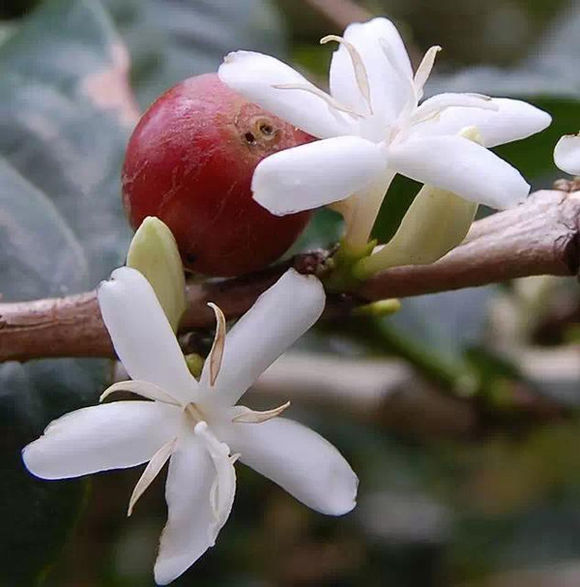
Ethiopian specialty Ethiopian coffee farm Ethiopian coffee industry and varieties
Ethiopia is one of the major producers of Arabica coffee in Africa, producing the best Arabian coffee in the world. It is said that coffee was first discovered by shepherds in Essekafa, and the name of coffee evolved from Kafa, so Essex is still the hometown of coffee. The geographical environment of coffee production and processing is very suitable for coffee growth. Coffee is mainly cultivated.

Flavor description of Ethiopian Xachiso Coffee Bean introduction to the varieties in the manor area
Ethiopian Chachiso Coffee Bean Flavor describes the variety produced in the manor area to introduce the Ethiopian Buna ceremony is a long process, with an average of about 1.5 hours. The ceremony, which takes place every day, aims to come to the conclusion that it may be a marriage proposal or a mediation of family conflict. The first is roasted coffee beans. When the coffee beans are roasted, the woman

Grade Analysis of Ethiopian Coffee varieties Ethiopia's main producing areas
Ethiopia is one of the major producers of Arabica coffee in Africa, producing the best Arabian coffee in the world. It is said that coffee was first discovered by shepherds in Essekafa, and the name of coffee evolved from Kafa, so Essex is still the hometown of coffee. The geographical environment of coffee production and processing is very suitable for coffee growth. Coffee is mainly cultivated.
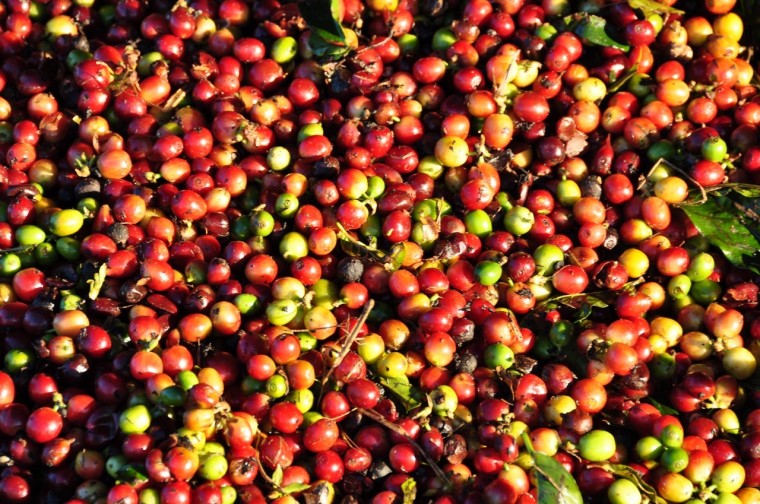
Ethiopia West Dharma Fine Coffee Details? Sidamo Flavor Description Sidamo GujiG
Ethiopia is one of the major producers of arabica coffee in Africa and produces the best arabica coffee in the world. It is said that coffee was first discovered by shepherds in Ethiopia, and the name of coffee evolved from Kafa, so Ethiopia is still the hometown of coffee. Coffee production and processing Ethiopia's geographical environment is very suitable for coffee growth. Coffee is mainly grown.

A brief introduction to the History and Culture of the Origin and Development of Fine Coffee beans in Ethiopia (Ethiopia) Coffee Manor
The world-famous Ethiopian coffee is mainly: 1. Limu coffee grows between 1400 meters and 2000 meters above sea level. Wash the coffee. Excellent quality, with strong nut aromas, suitable acidity, with the intensity of wine. The annual output is 29000 tons. 2. Jima Coffee grows between 1400 and 1800 meters above sea level. Sun-baked coffee. Slightly sour, with nutty aromas and a long finish.

Soft fruit acid sun Yega Shifeiwaka Coffee Flavor description of the characteristics of roasting degree in the producing area
These mountain villages are foggy, like spring all year round, with a gentle breeze in summer, cool but not hot, rain but not damp, and no cold damage in winter, giving birth to a unique regional flavor of citrus and flowers. Coffee trees are mostly planted in farmers' backyards or mixed with other crops in their fields to talk about Ethiopia, so let's talk about the origin of coffee first. in about the sixth century, there was an Arab shepherd.

Introduction to the method of variety treatment in the production area of 90 + Ethiopian coffee beans
90 + Grinding scale production of Ethiopian coffee beans introduction of variety treatment in Ethiopia, coffee grading and quality control system is divided into three levels: producer, regional and national. All coffee is inspected by local inspection agencies before leaving the country of origin, and then re-tested at the coffee inspection and grading centers in Addis and Diredawa to determine its quality grade. Coffee
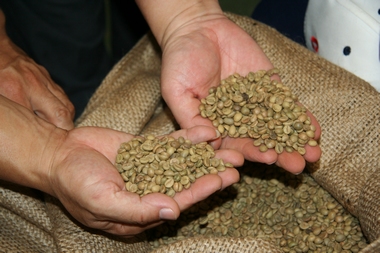
100% Arabica seeds of top coffee beans are imported to Ethiopia by air.
Ethiopia is one of the major producers of Arabica coffee in Africa, producing the best Arabian coffee in the world. It is said that coffee was first discovered by shepherds in Essekafa, and the name of coffee evolved from Kafa, so Essex is still the hometown of coffee. The geographical environment of coffee production and processing is very suitable for coffee growth. Coffee is mainly cultivated.